Ledger Live: A Complete Guide to Secure Cryptocurrency Management
Ledger Live is the official software application developed to work with Ledger hardware wallets. It provides users with a secure and convenient way to manage cryptocurrencies while ensuring that private keys remain safely stored on the physical device. Designed for both beginners and experienced users, Ledger Live combines strong security, portfolio management, and ease of use into a single platform.
Unlike online wallets or centralized exchanges, Ledger Live does not store user funds or private keys. Instead, it acts as a secure interface between the user and the Ledger hardware wallet, allowing full control over digital assets without exposing sensitive information to the internet.
What Is Ledger Live?
Ledger Live is a desktop and mobile application that enables users to interact with their Ledger hardware wallets. Through this software, users can view account balances, send and receive cryptocurrencies, manage installed apps on the device, and track portfolio performance.
The application is designed with security at its core. Every critical action, such as approving a transaction or installing an app, requires confirmation on the Ledger device itself. This ensures that only the wallet owner can authorize operations.
Why Ledger Live Is Important
Cryptocurrency ownership requires strong security practices. If private keys are exposed or stored online, digital assets can be lost permanently. Ledger Live supports secure self-custody by keeping private keys offline and under the user’s control.
Some key reasons Ledger Live is important include:
It enables complete ownership of crypto assets
It reduces reliance on third-party platforms
It protects against hacking, phishing, and malware
It simplifies the management of multiple cryptocurrencies
By using Ledger Live, users gain confidence that their funds are protected by both hardware and software security layers.
How Ledger Live Works
Ledger Live operates as a communication layer between the user and the Ledger hardware wallet. While the application displays balances, transaction history, and account data, it never has access to private keys.
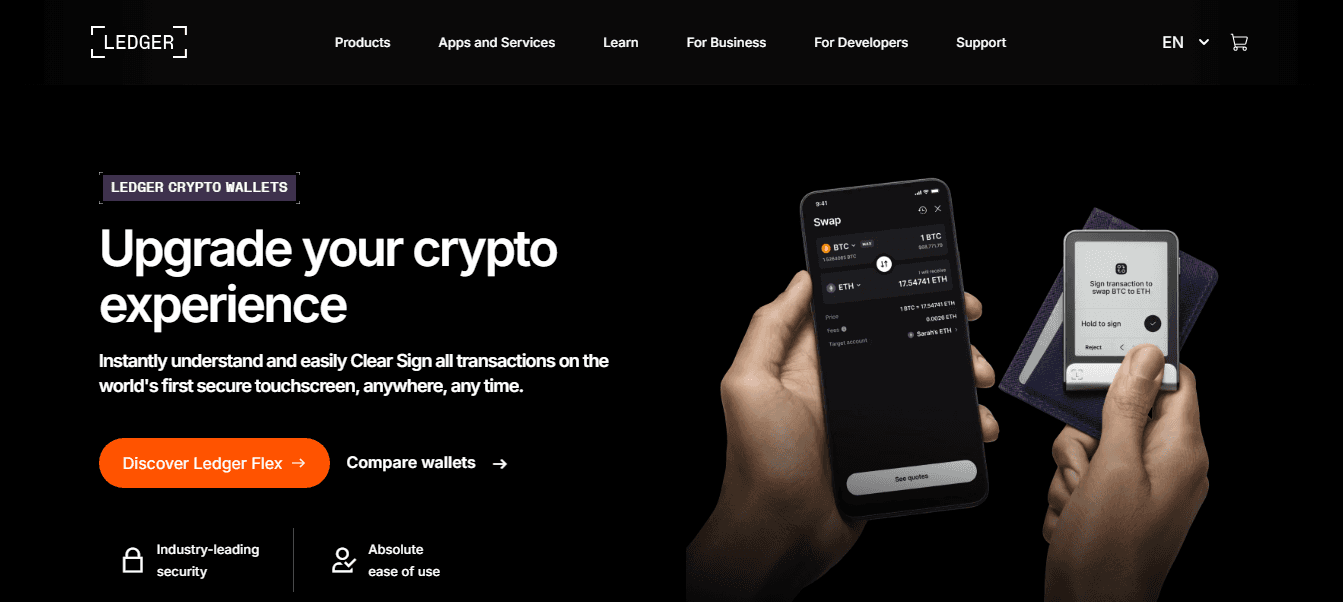
When a transaction is created in Ledger Live, the transaction details are sent to the hardware wallet. The device then displays the information on its screen, allowing the user to verify and approve it physically. Only after confirmation does the device sign the transaction and allow it to be processed.
This design ensures that even if the computer or mobile device is compromised, unauthorized transactions cannot occur.
Getting Started with Ledger Live
Initial Setup
To begin using Ledger Live, users install the application on their computer or mobile device and connect their Ledger hardware wallet. During first-time setup, users are guided through verifying the device, creating a secure PIN, and setting up a recovery phrase.
The recovery phrase is a sequence of words that acts as a backup for the wallet. It is the only way to restore access if the device is lost, stolen, or damaged. This phrase must be written down and stored securely offline.
Accessing the Wallet
Each time Ledger Live is opened, users connect their hardware wallet and unlock it using the PIN. Once authenticated, the application displays the main dashboard with access to all accounts.
Ledger Live Dashboard
The Ledger Live dashboard provides a clear overview of the user’s cryptocurrency holdings. It displays:
Total portfolio value
Individual asset balances
Account-specific details
Recent transaction activity
The interface is designed to be intuitive, making it easy to navigate between assets, accounts, and settings.
Managing Cryptocurrencies with Ledger Live
Ledger Live supports a wide range of cryptocurrencies and allows users to manage them from a single application. Each asset requires a corresponding app to be installed on the Ledger device.
Sending Cryptocurrency
To send cryptocurrency, users enter the recipient address and amount within Ledger Live. Before finalizing the transaction, the details are displayed on the Ledger device screen. The user must verify and approve the transaction directly on the device, ensuring protection against address manipulation or malware attacks.
Receiving Cryptocurrency
To receive funds, Ledger Live generates a receiving address. Users should verify that the address shown in the application matches the address displayed on the hardware wallet. This step ensures that funds are sent to the correct destination.
Security Features of Ledger Live
Security is the foundation of Ledger Live. Several layers work together to protect user assets.
Offline Private Key Storage
Private keys are generated and stored within the Ledger hardware wallet. They never leave the device or appear on the computer or mobile phone.
PIN Protection
Access to the Ledger device is protected by a PIN. Multiple incorrect attempts trigger delays or a device reset, preventing brute-force attacks.
Recovery Phrase
The recovery phrase allows users to restore their wallet on a new device if necessary. Without this phrase, recovery is impossible.
Physical Transaction Approval
Every outgoing transaction requires physical confirmation on the device, ensuring full user control.
Firmware Verification
Ledger Live verifies the authenticity of the device firmware to ensure it has not been tampered with.
Privacy and User Control
Ledger Live is designed with privacy in mind. It does not require account registration, identity verification, or personal information to manage assets. Users retain full control over their data and funds at all times.
This privacy-focused approach aligns with the principles of decentralization and financial independence that underpin cryptocurrency.
Firmware and App Management
Ledger Live allows users to manage device firmware and install or remove apps as needed. Firmware updates are essential for maintaining security and compatibility.
When updates are available, Ledger Live guides users through the process. All updates must be approved on the hardware wallet, ensuring that only verified software is installed.
Common Issues and Troubleshooting
Users may occasionally encounter issues such as:
Device not being detected
Outdated firmware or apps
Incorrect PIN entries
Temporary connection problems
Most issues can be resolved by reconnecting the device, restarting the application, or updating firmware. If access is lost, the recovery phrase can be used to restore the wallet on a new device.
Best Practices for Using Ledger Live
To ensure long-term security, users should follow these best practices:
Store the recovery phrase securely offline
Never share PINs or recovery phrases
Always verify transaction details on the device screen
Avoid using public or shared computers
Keep Ledger Live and device firmware updated
These practices significantly reduce the risk of asset loss or unauthorized access.
Who Should Use Ledger Live?
Ledger Live is suitable for a wide range of users, including:
Beginners looking for secure crypto storage
Long-term investors holding digital assets
Users managing multiple cryptocurrencies
Individuals prioritizing self-custody and security
Its balance of simplicity and robust protection makes it a reliable solution for many use cases.
Advantages of Ledger Live
Some key advantages include:
Full ownership of private keys
Strong defense against online threats
Centralized management of multiple assets
Easy-to-use interface
Reliable wallet recovery options
These benefits make Ledger Live a trusted platform for managing cryptocurrency securely.
Conclusion
Ledger Live is a comprehensive and secure platform that enables users to manage cryptocurrency with confidence. By combining offline private key storage, mandatory device confirmation, recovery phrase protection, and a user-friendly interface, it provides a complete solution for digital asset management.
Whether you are new to cryptocurrency or managing a diversified portfolio, Ledger Live offers the tools and security needed to protect your assets and maintain financial independence. With proper use and adherence to best practices, it serves as a dependable foundation for long-term crypto ownership.